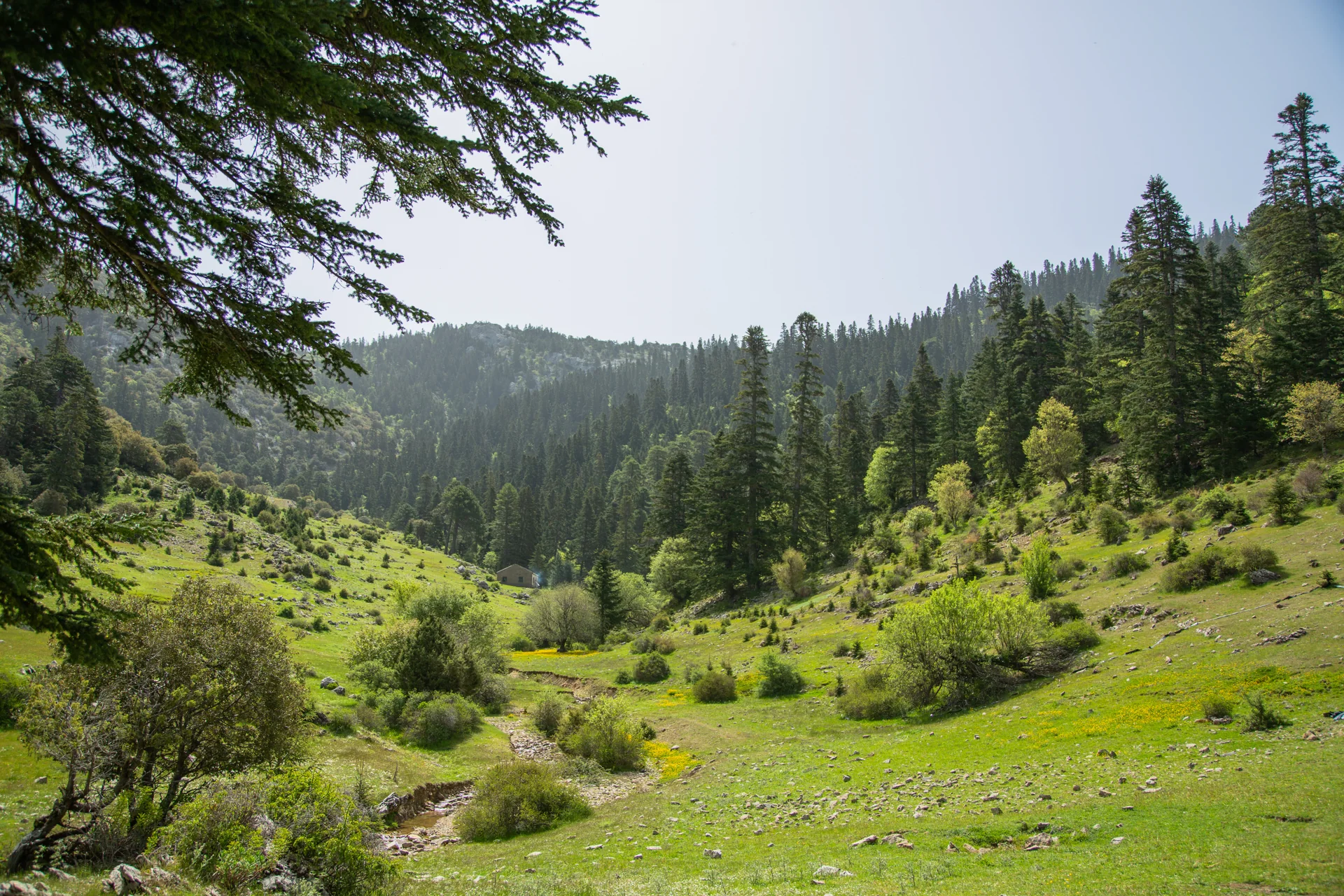
When snow falls on Talassemtane and Jbel Lakraa, the landscape turns into a quiet white painting. But walking in winter is very different from walking in spring, and needs extra rules.
Days are short
In winter the sun sets early. Plan to reach the end point at least an hour before sunset. Choose shorter trails than usual, because snow slows you down.
Cold and damp
- Dress in layers: a base layer that wicks sweat, a warm layer, and an outer layer against wind and water.
- Avoid cotton, which stays wet and chills the body.
- Bring gloves, a wool hat and spare socks.
Footwear and snow
Waterproof boots are essential. On frozen snow you may need microspikes and poles. If the snow is deep or very icy, it's better to change trails.
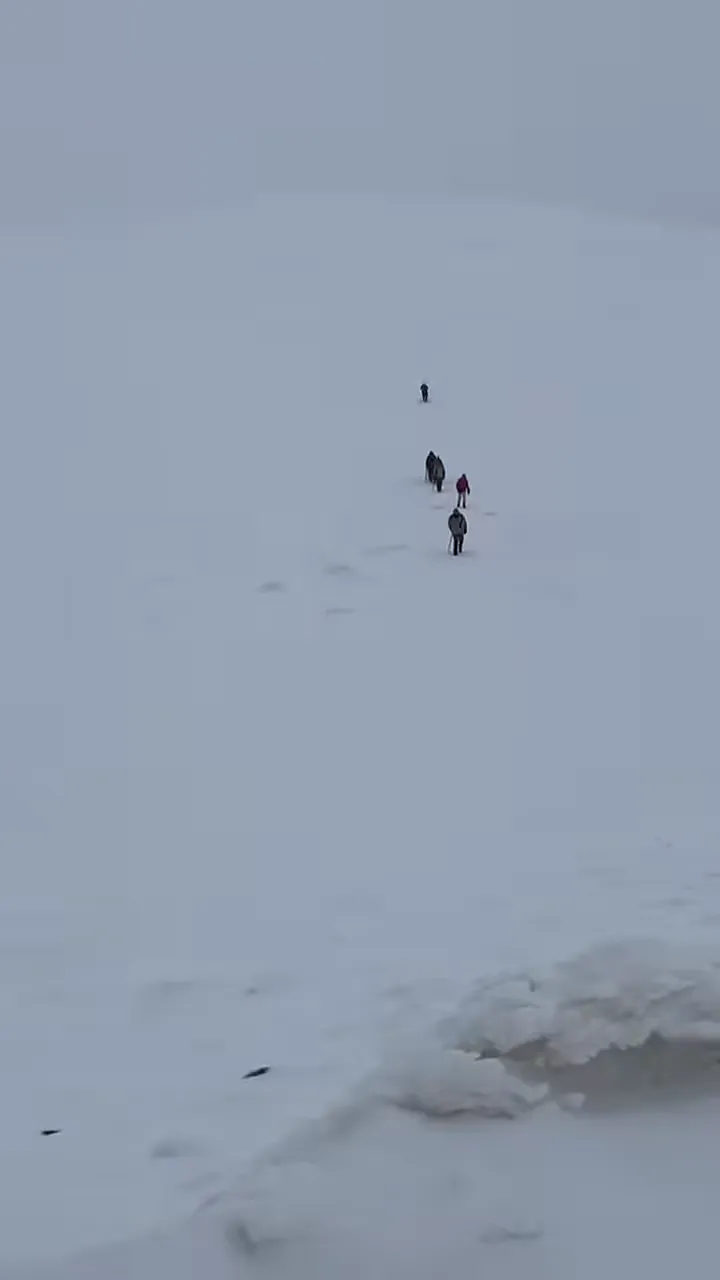 SnowPlay videoSingle file across the snow0:19
The weather changes fast
A clear day can turn into thick fog within an hour. In fog and snow, landmarks along the path disappear. That's why walking the summits in winter is not recommended without a guide who knows the area well.
Good winter trails
On clear days, lower trails such as the Bouhachem forest or the hills around Chefchaouen remain a good choice for walking without the risks of altitude.